
South Africa, Lesotho, Eswatini: Division, Generosity, and Chicken Dust. Lessons learned in the saddle on the roads less traveled.
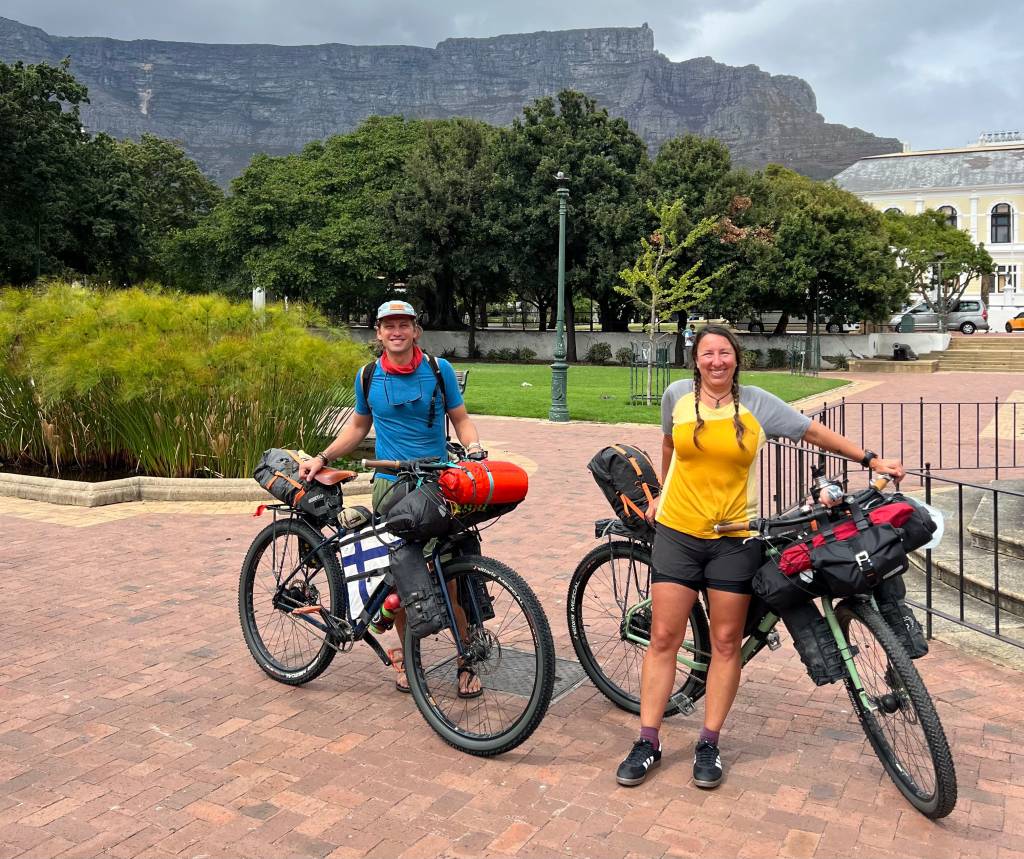
We’re back! Sorry for the long hiatus folks, we discovered that the Substack App does not allow us to write a newsletter on our cell phone (only on a laptop) after we arrived in South Africa. Wait. South Africa? Let me back up. After my book tour for ‘Joy Ride: A Bike Odyssey from Alaska to Argentina’ wrapped in October 2023, Ville and I flew to Havana, Cuba with our bikepacking gear and used bikes (which we gave away to kind, deserving Cubans). We danced, sat on deserted beaches and rang in the New Year in style (read about it HERE) before returning to Bend, Oregon for a final author event. It was there we announced our upcoming adventure: Bikepacking through Africa.
Early February, we arrived in Cape Town, South Africa with bikes and gear. Did we have a route plan? Absolutely not. A few people (non-cyclists) suggested we traverse the Garden Route along the southern coast and so we set off. Most cyclists ride north into Namibia, hurrying out of South Africa. After all, 4 of the 5 most dangerous cities in Africa are in South Africa. Seeing as “only dead fish go with the flow” (as Ville likes to say), we rode through as much of S.A. as possible, including 2 of those 4 most dangerous cities. See route map below (courtesy of my Suunto watch).
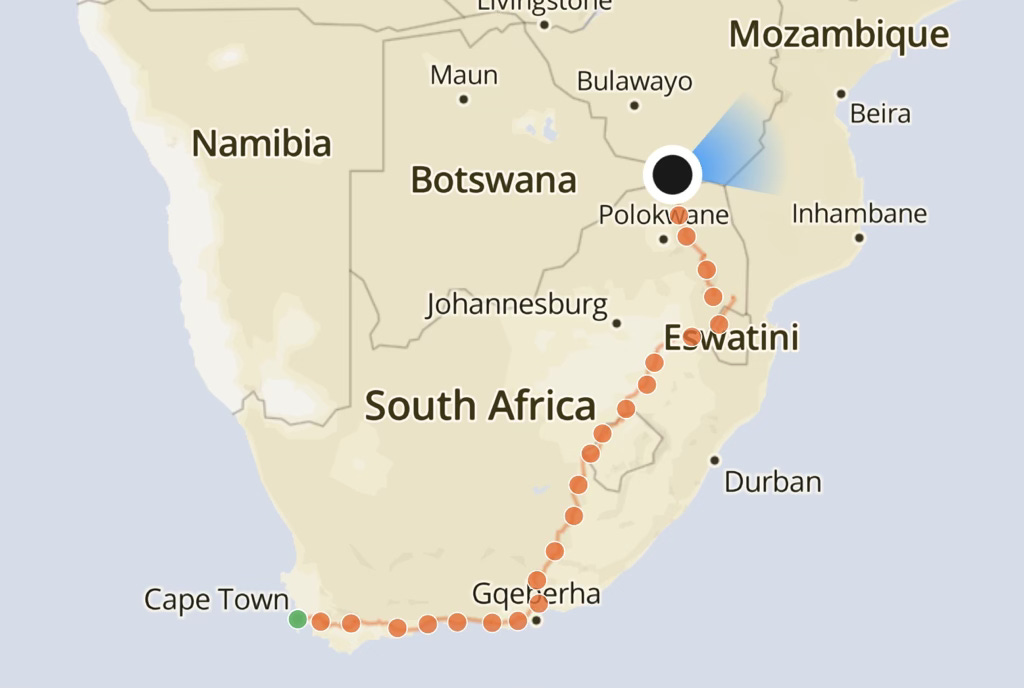
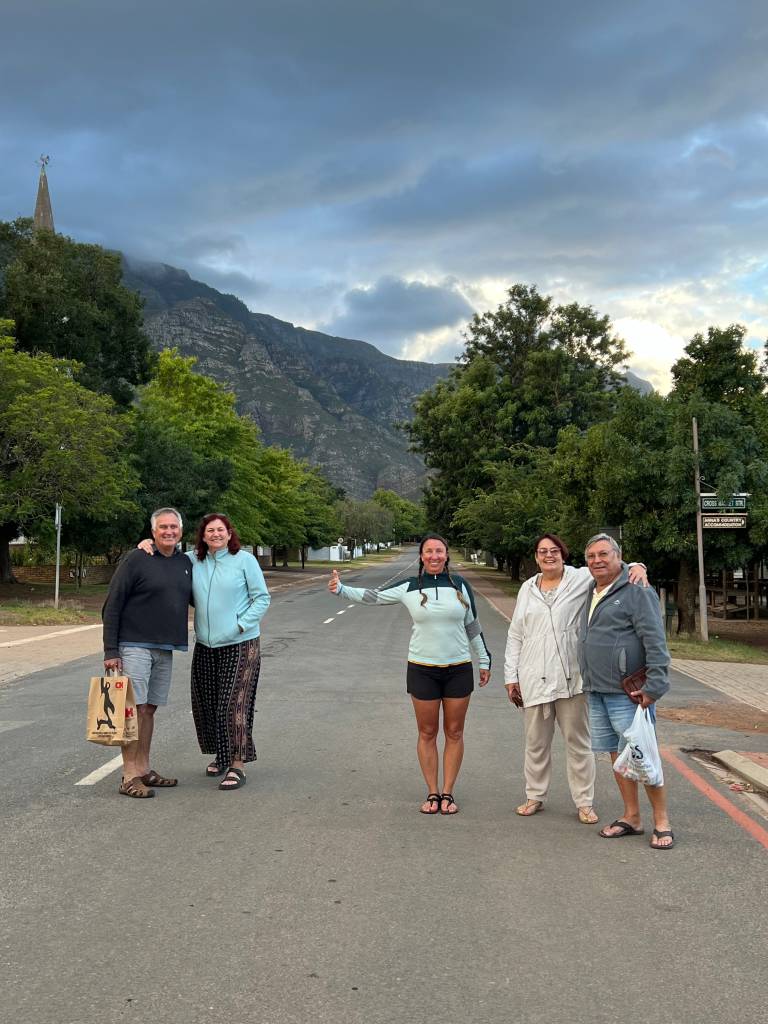
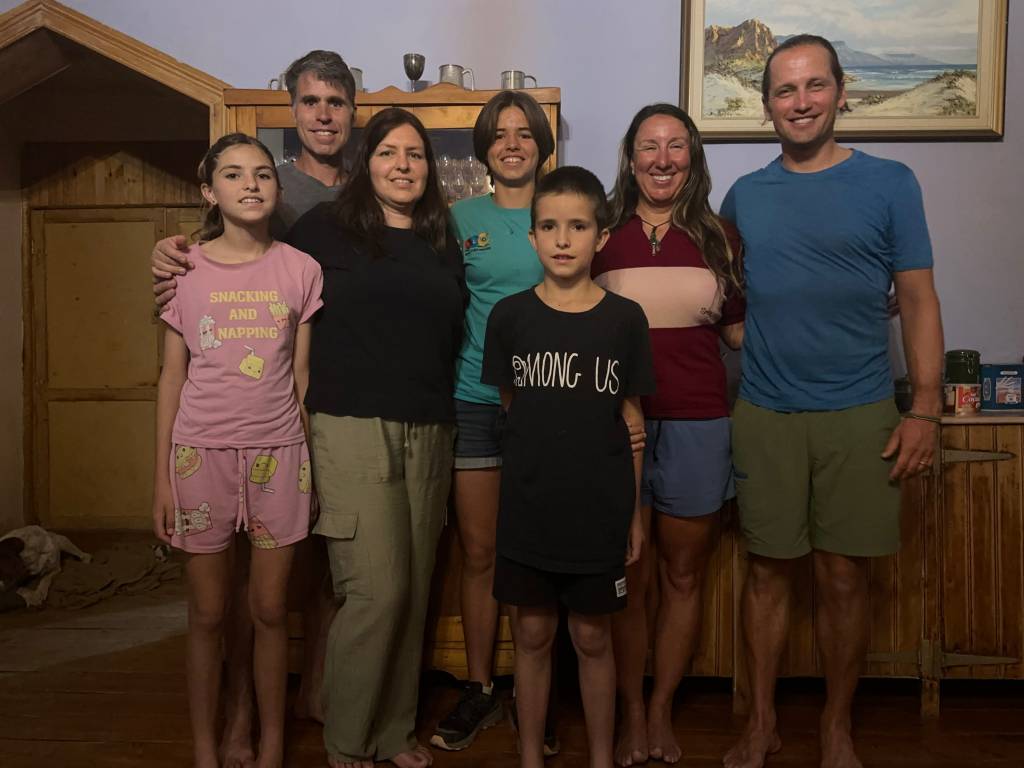
From Cape Town to Port Elizabeth (Gqeberha), we experienced extreme heat (40°C), close calls with baboons, lots of climbing and lazy beach towns. We saw springbok, monkeys, warthogs, but mainly cattle and sheep. We camped in farmer’s yards, booked guesthouses, and stayed with some Warmshowers’ hosts. It took four days of cycling before we reached towns not covered in electrified wire (think prisons or fencing for animals) around every house, apartment building and storefront. At a cafe in Greyton, we were invited to stay at Richard and Karin’s house and stayed for four days. All land in South Africa is fenced, so we had to ride up long driveways to get permission to camp (not much stealth camping to be found). But farmers and South Africans were crazy nice and over half the time we were drug into the house, given beds, showers and meals. South African hospitality is next level.
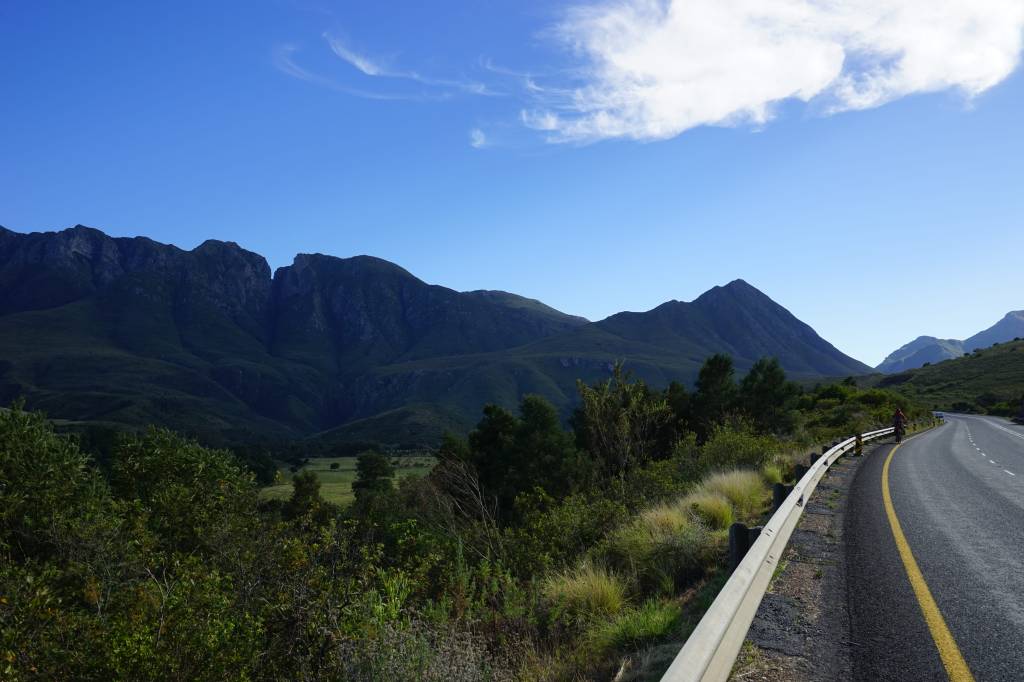
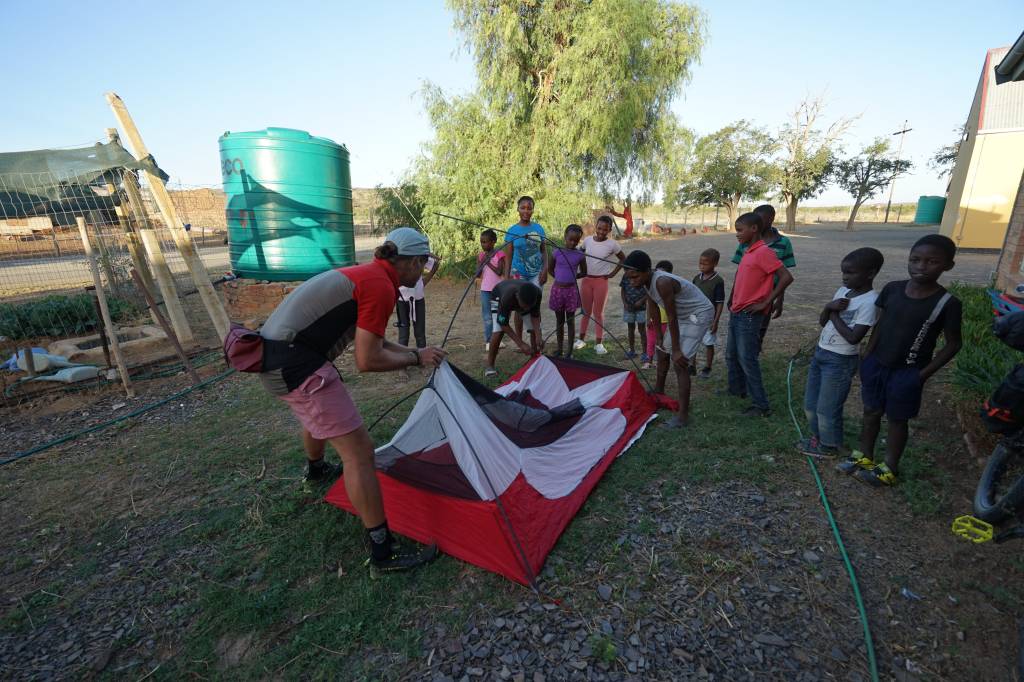
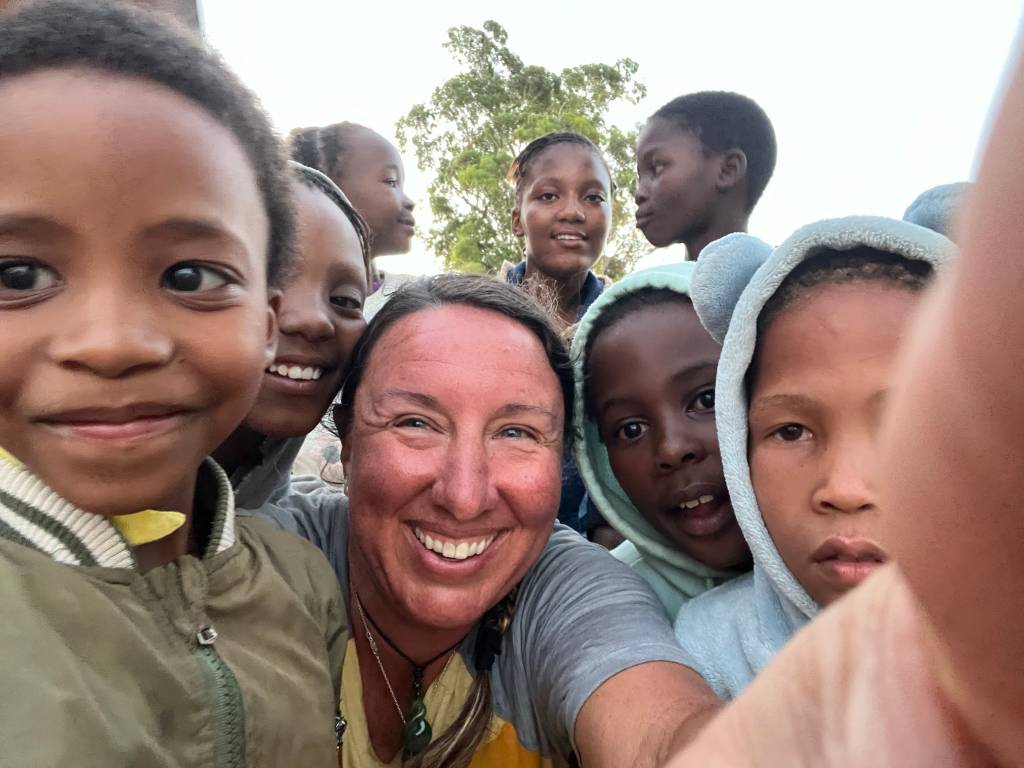
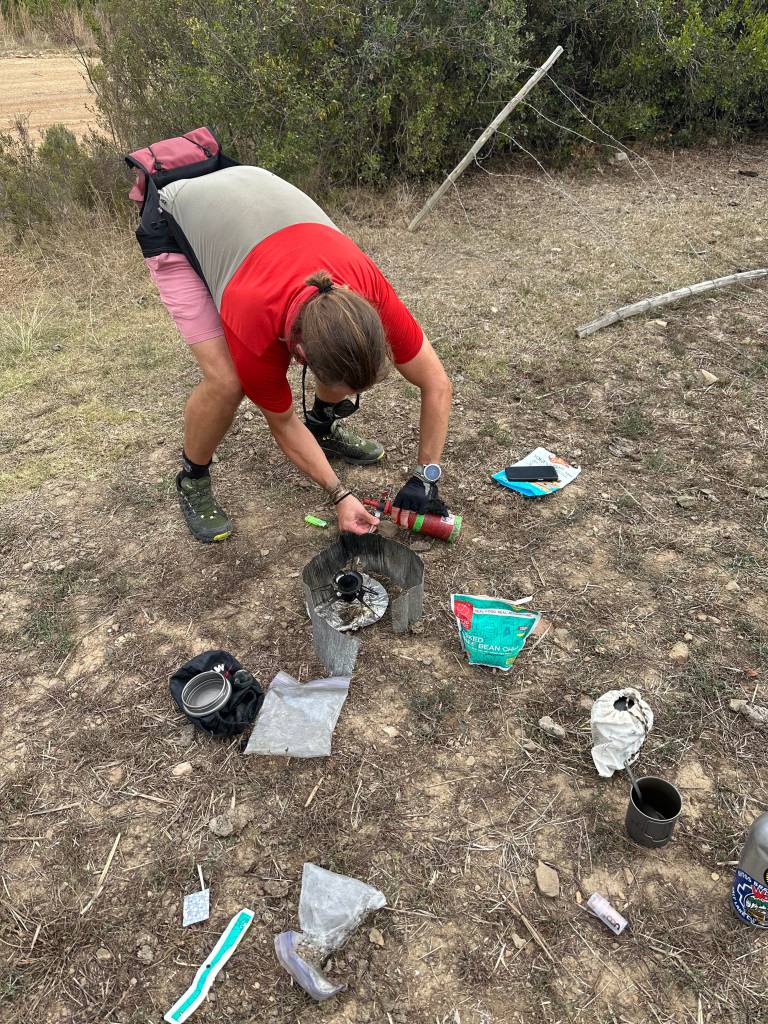
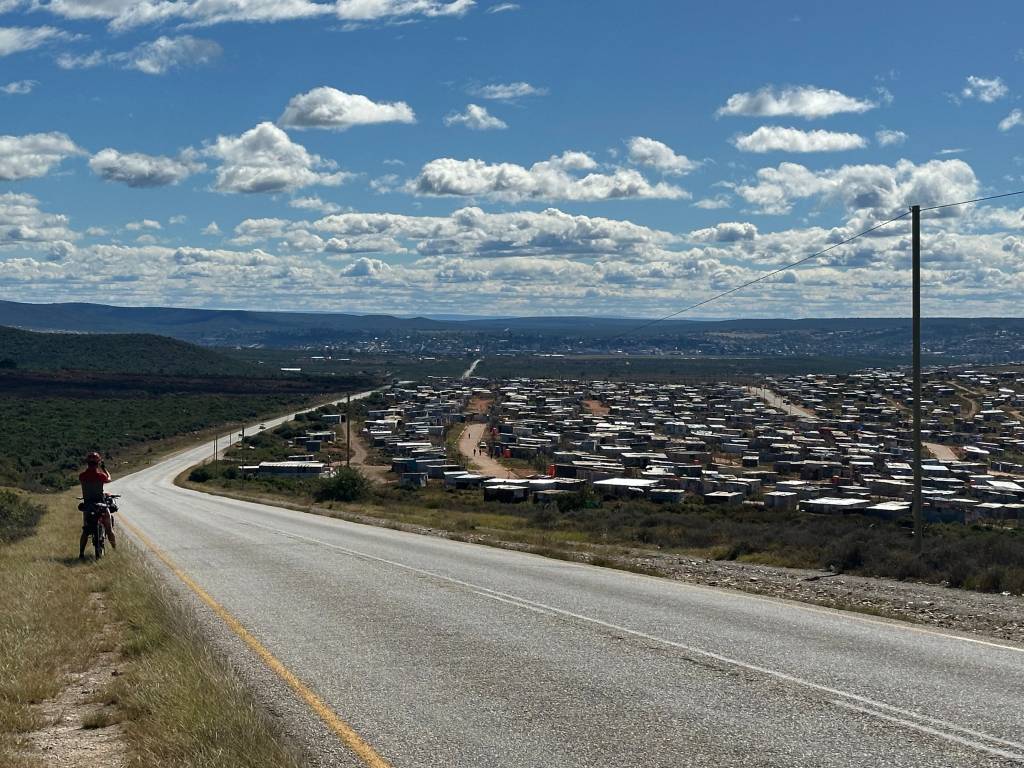
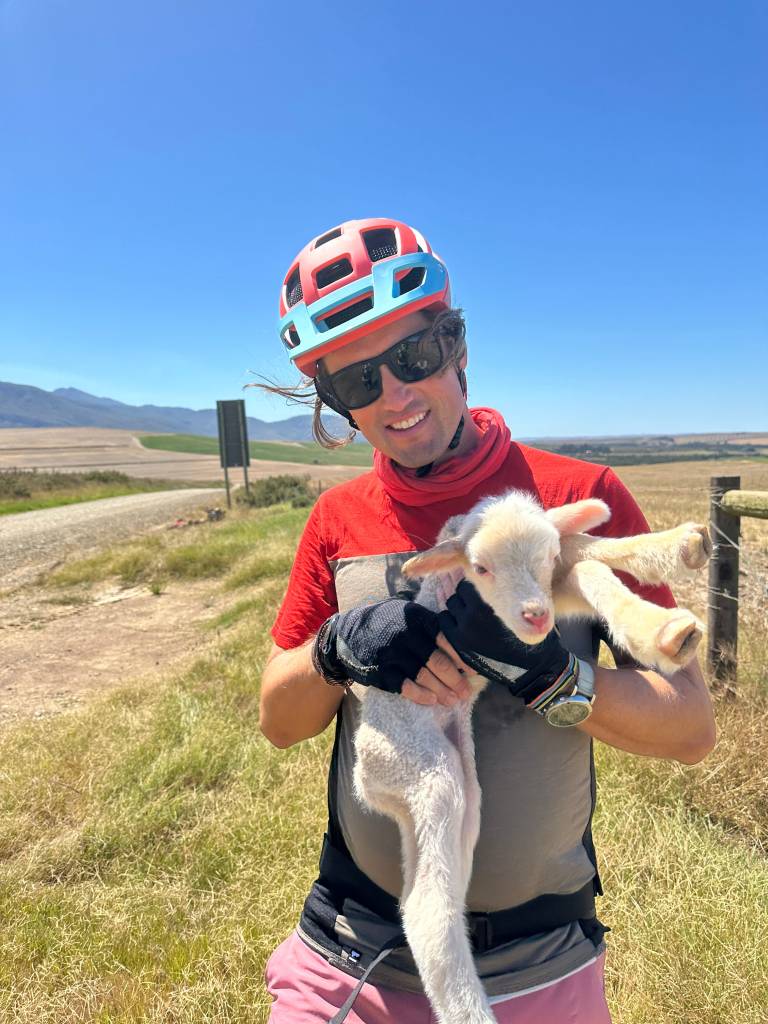
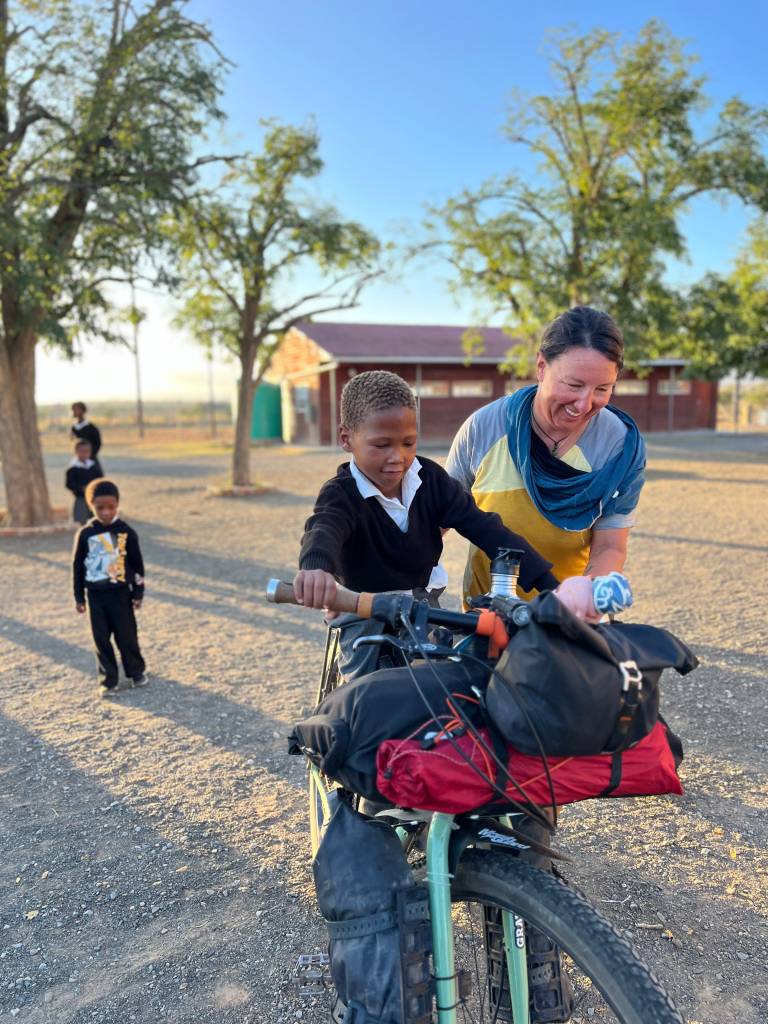
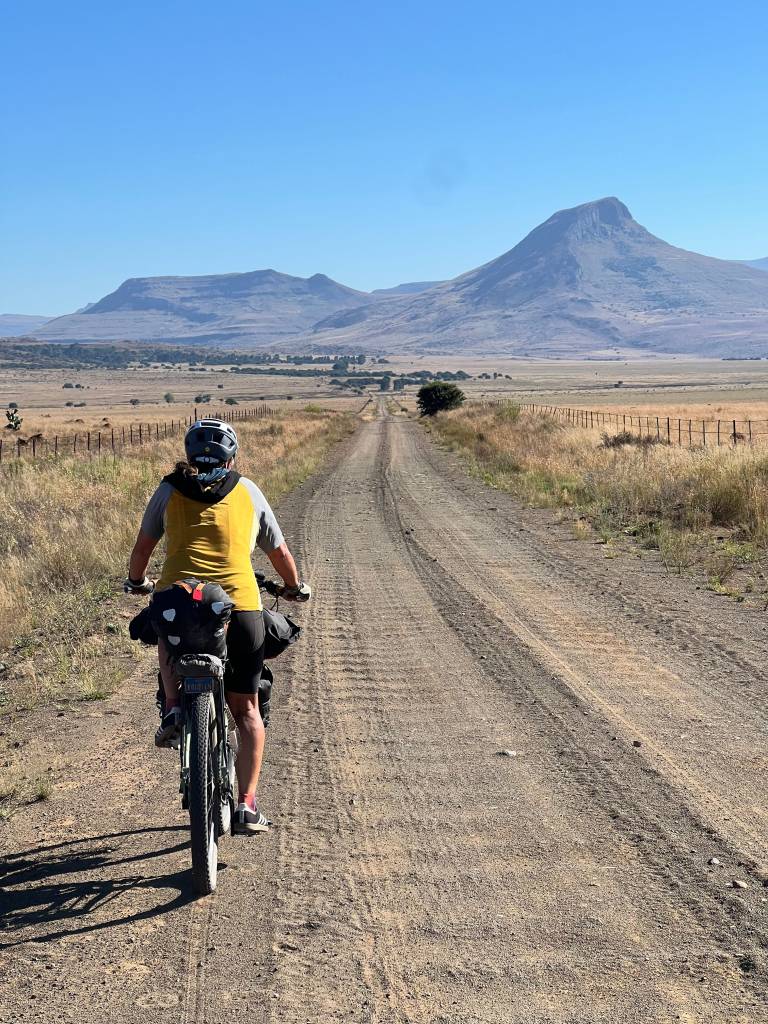
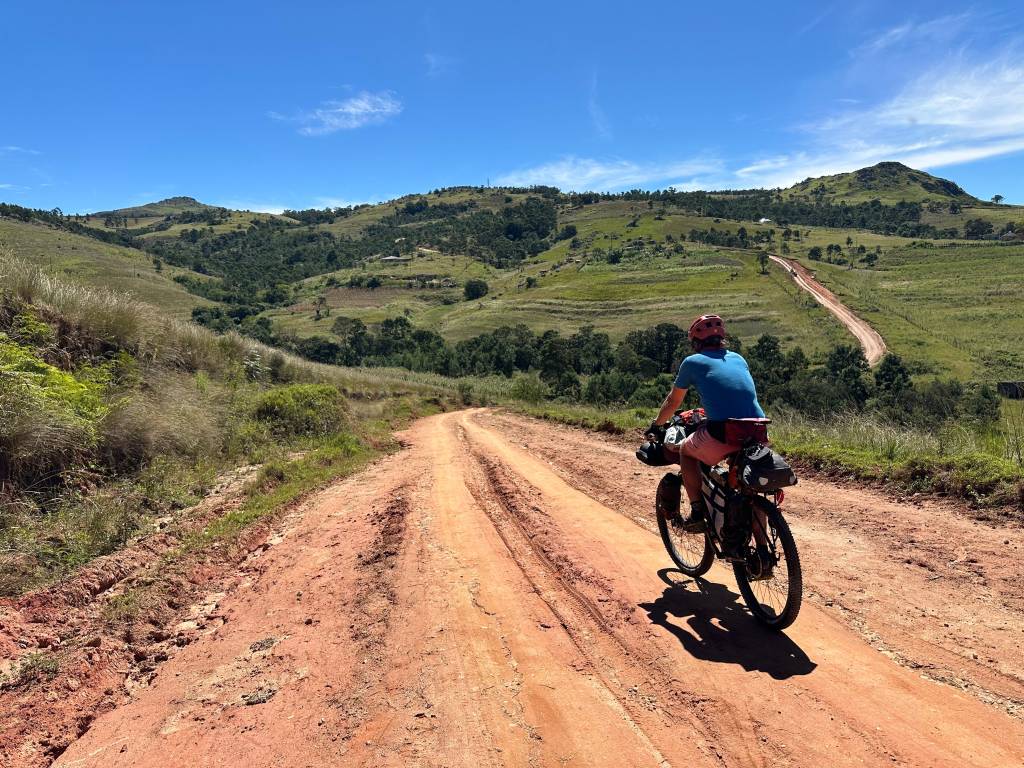
From Port Elizabeth, we zig-zagged on dirt farm roads north to Lesotho. Towns were sparse as we left the coast and farm roads were corrugated, leaving us beat up after a day’s ride without many resupply options. “They steal cows in Lesotho,” the South Africans warned. Great. We don’t have cows. Lesotho, a landlocked country within South Africa, was a touring cyclist’s dream. A ‘mountain kingdom’ with beautiful, grassy hills upon which herders moved animals and friendly people sold food along the roads. Everyone shouted, whistled and waved as we rode past. We camped in yards after being granted permission by each town or village chief.
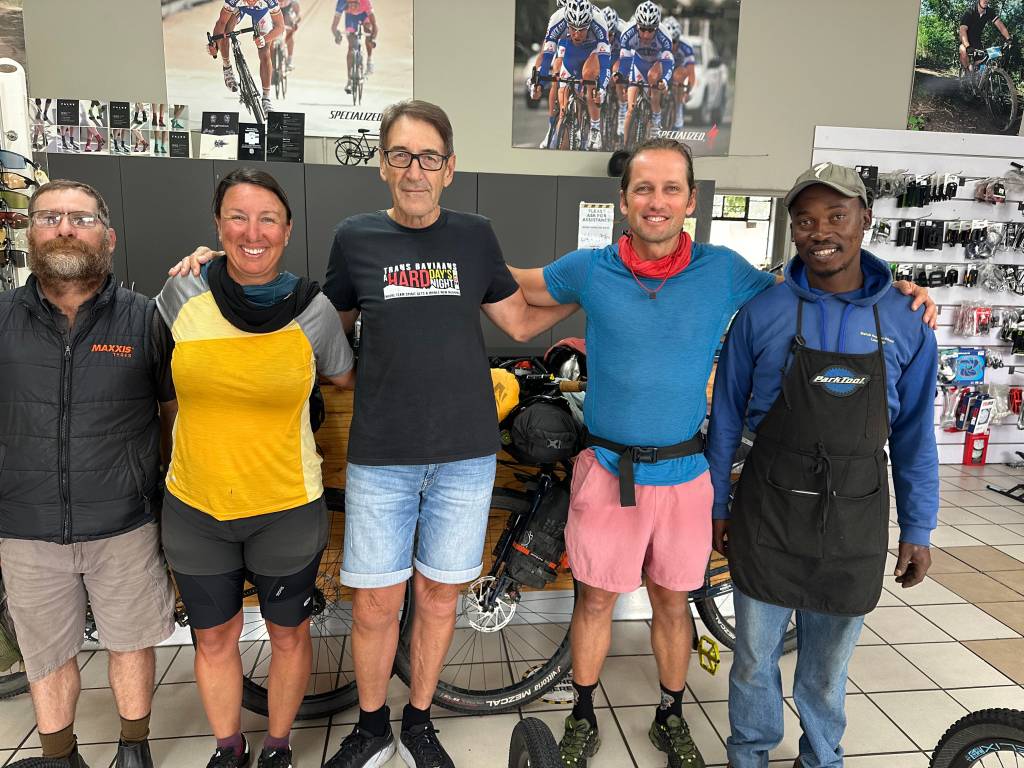
We rode back into South Africa towards Eswatini, across parched land where corn fields lie dead due to the continuing drought. At a bike shop in Bethlehem, the owner, Karel, took us home for a night after servicing our bikes. We avoided big cities and stuck to small towns, which meant struggling to find much to eat beyond meat pies, samosas, and canned goods.
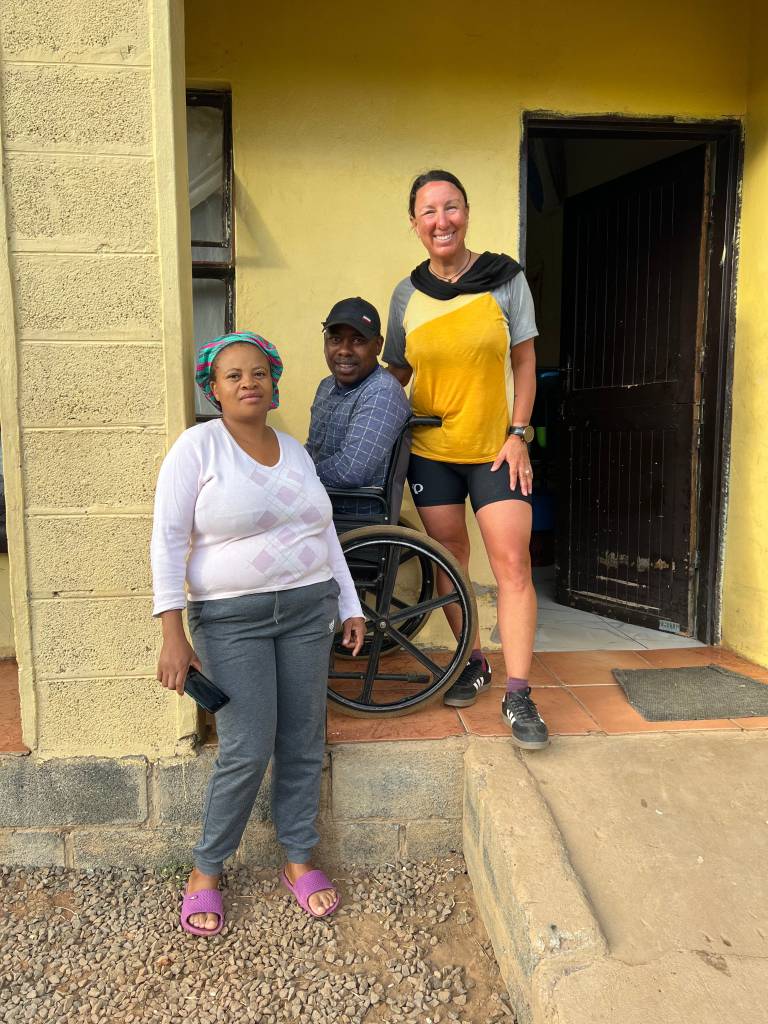
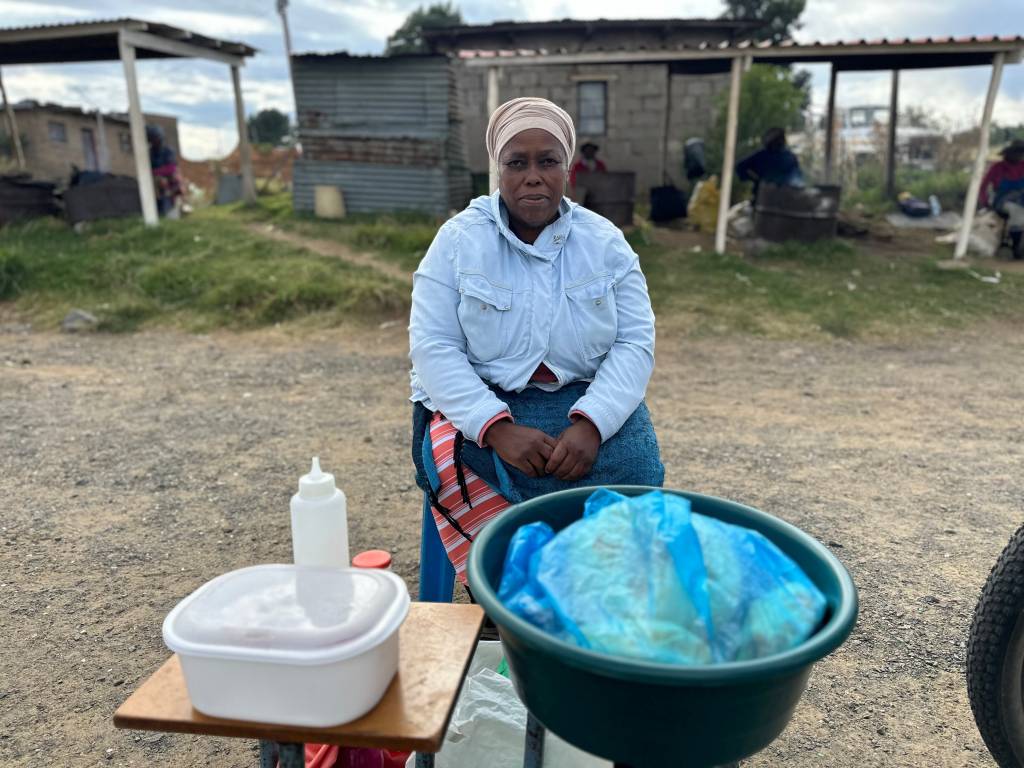
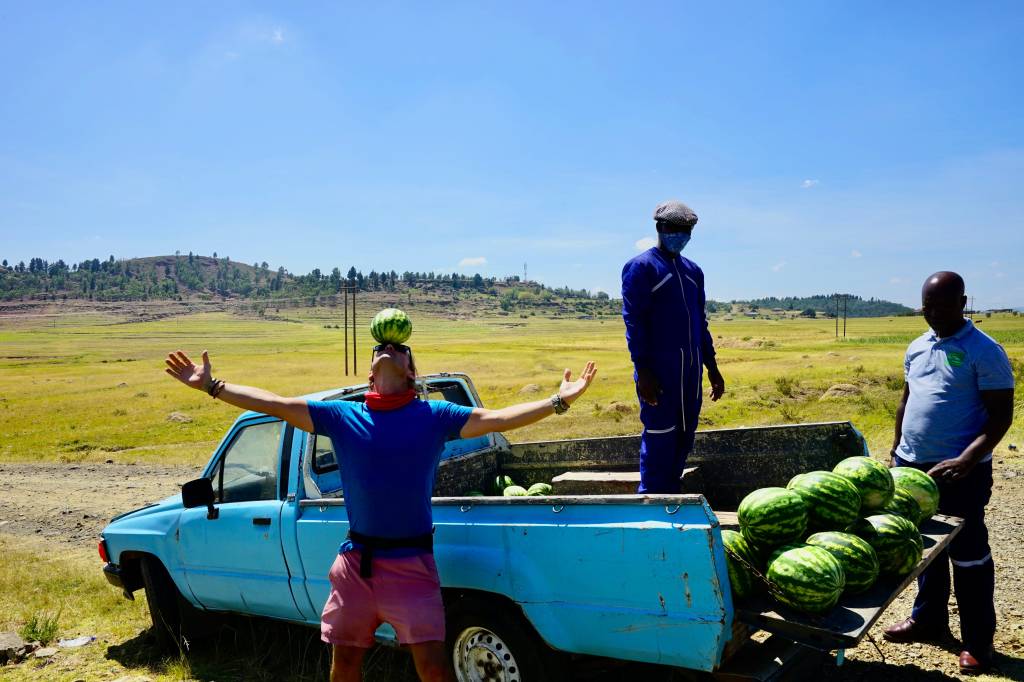
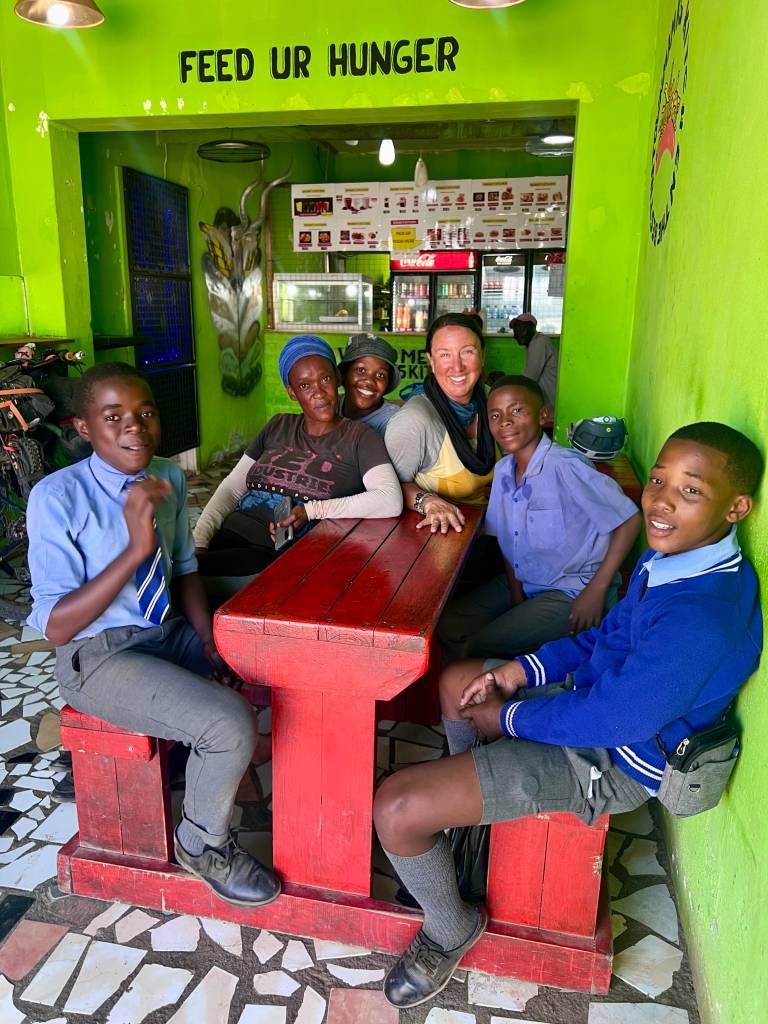
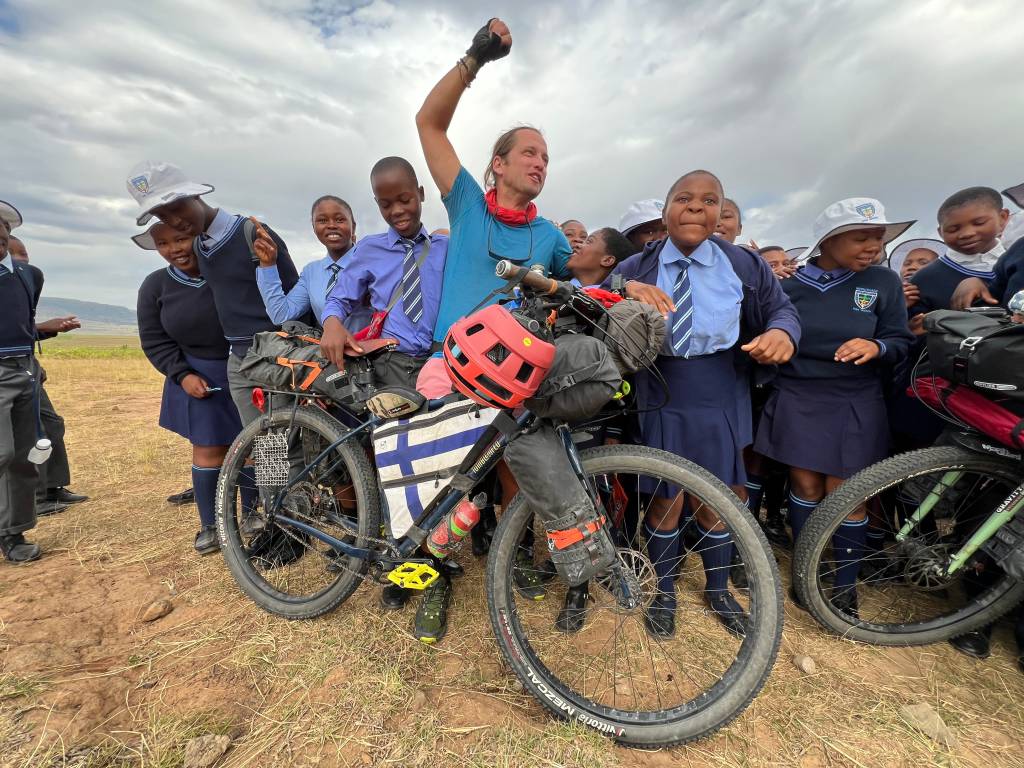
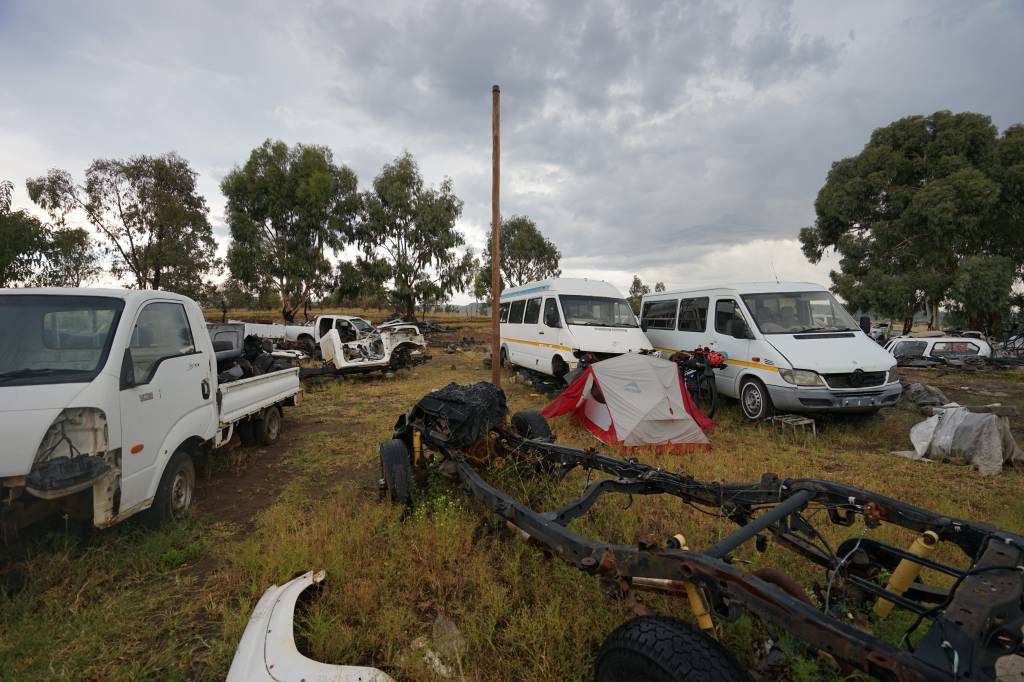
Eswatini was an experience. The climbing was more extreme than Lesotho, with roads graded at over 12%. Like Lesotho, it was another mountain kingdom, except littered with tree farms and clear cuts. It was nice to ride in the shade of trees. Unfortunately, most of the people we passed demanded money or food from us and were unkind when we declined. As sad as it was, their GDP per capita is on par with many Eastern European countries and development and infrastructure (houses, buildings, farms) were far more advanced than in Lesotho. It became clear that Eswatini has become dependent on donation money from U.S. and Europe, which has hindered entrepreneurial growth. Why work for your money when aid trucks drive around and just hand out money? If this sounds harsh, I highly recommend reading the book ‘Dead Aid: Why Aid is not Working and How There is a Better Way for Africa’ by Dambisa Moyo which explains, in detail, why the millions of dollars/euros that have been sent to Africa over the past fifty years have helped a small percentage of corrupt leaders to live lavish lifestyles while worsening poverty throughout Africa. Case in point, the polygamous king is a billionaire who owns 30% of everything, including the donation money that comes from NGOs.
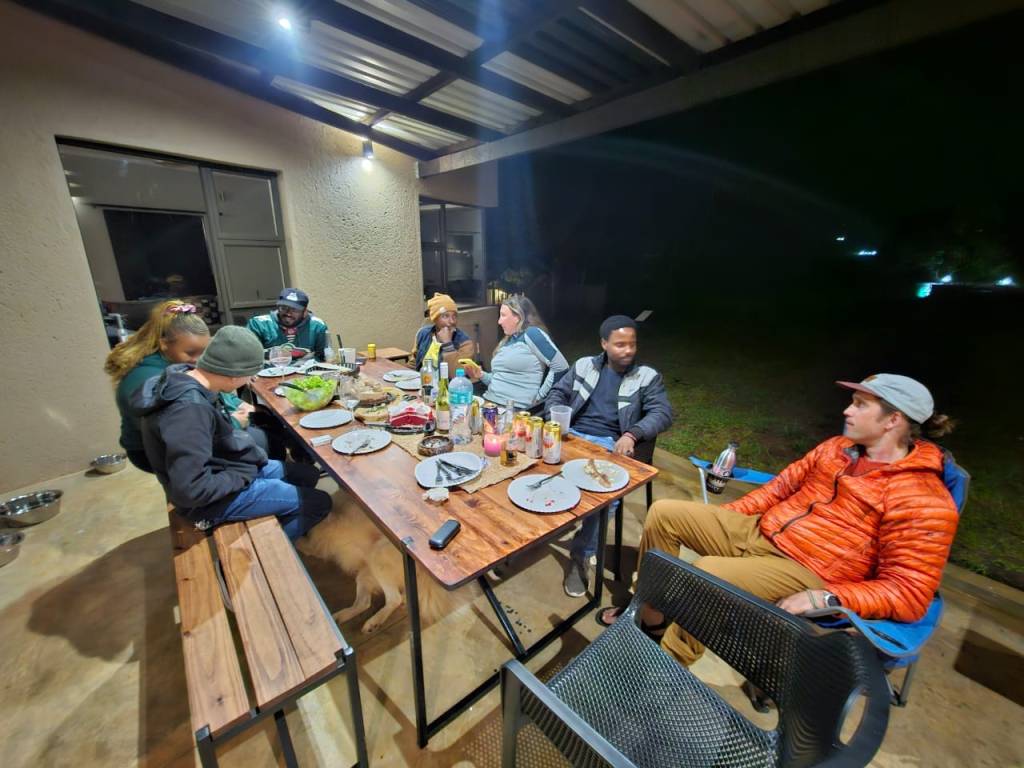
We did enjoy a short stay at Ana’s house in Mbabane, Eswatini, a friend who works for an NGO. We had a party, or braai, with her friends while waiting out a tropical storm. We taught everyone to hacky sack and learned about the cultural norm of polygamy in Eswatini (the king has 15 wives and 45 children). Because of the storm, we skipped Mozambique and rode north back into South Africa. Through forests and sugarcane fields, we dropped into Nelspruit before climbing north through a humid jungle, passing through the towns of Sabie, Graskop, along a route known as the Paradise Route. We passed waterfalls, rainforest and beautiful views down into the lowlands. We camped on farms and ate lots of chicken dust (roadside grilled chicken named for the dust left by the passing cars) and paap (cornmeal).
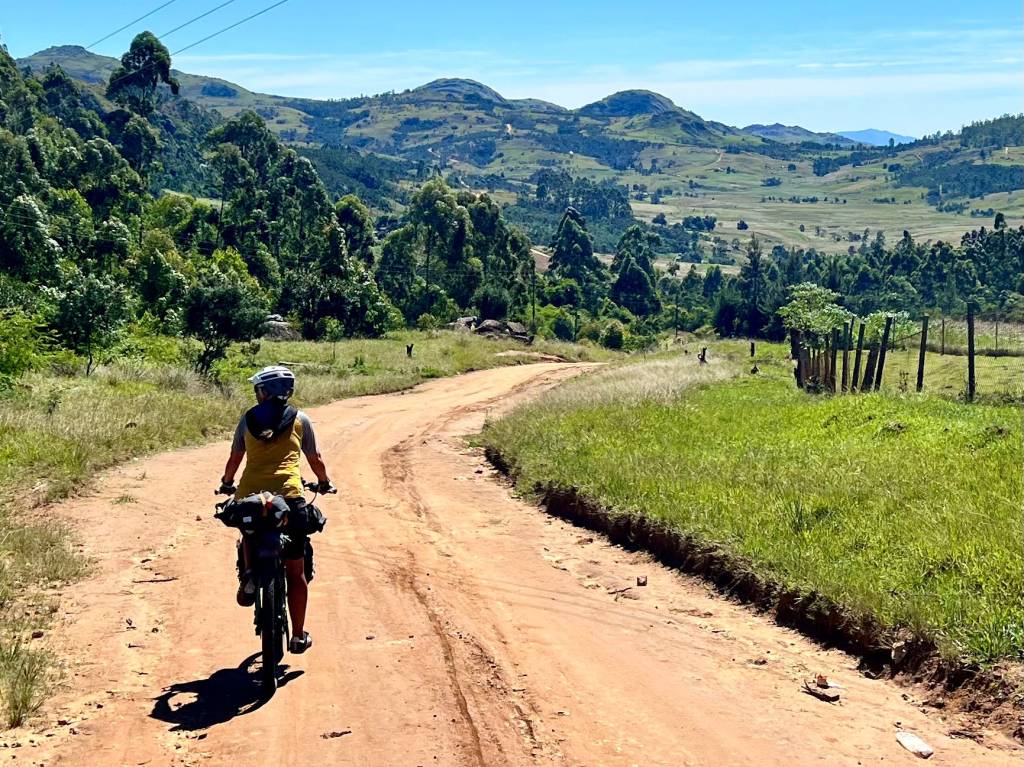
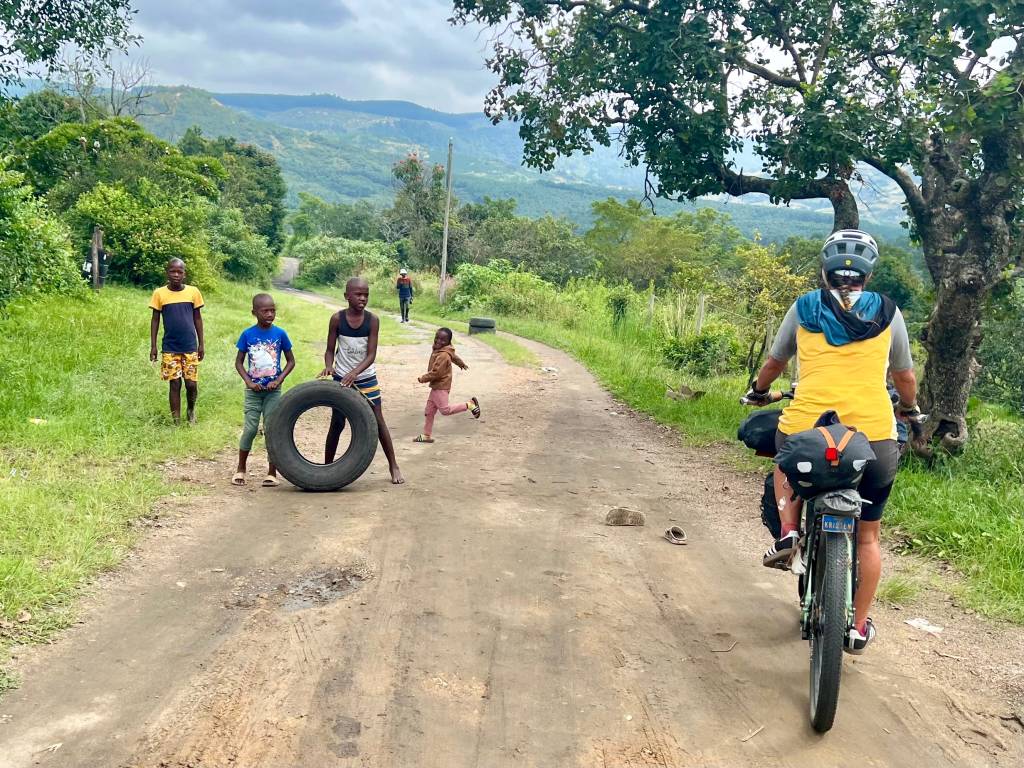
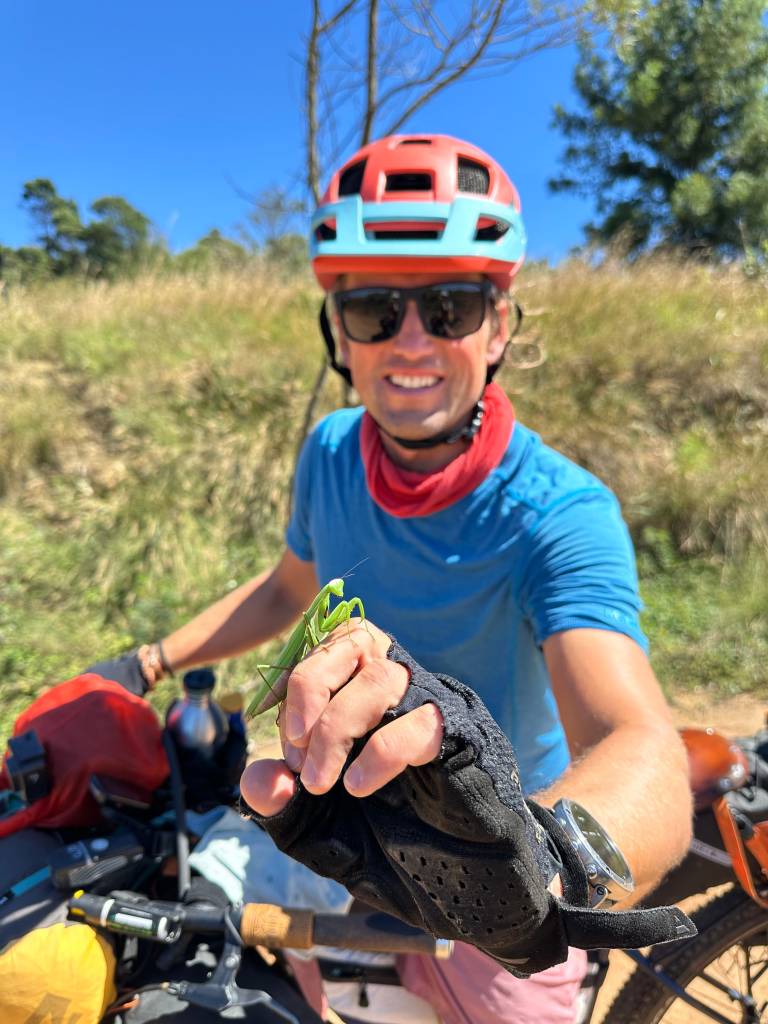
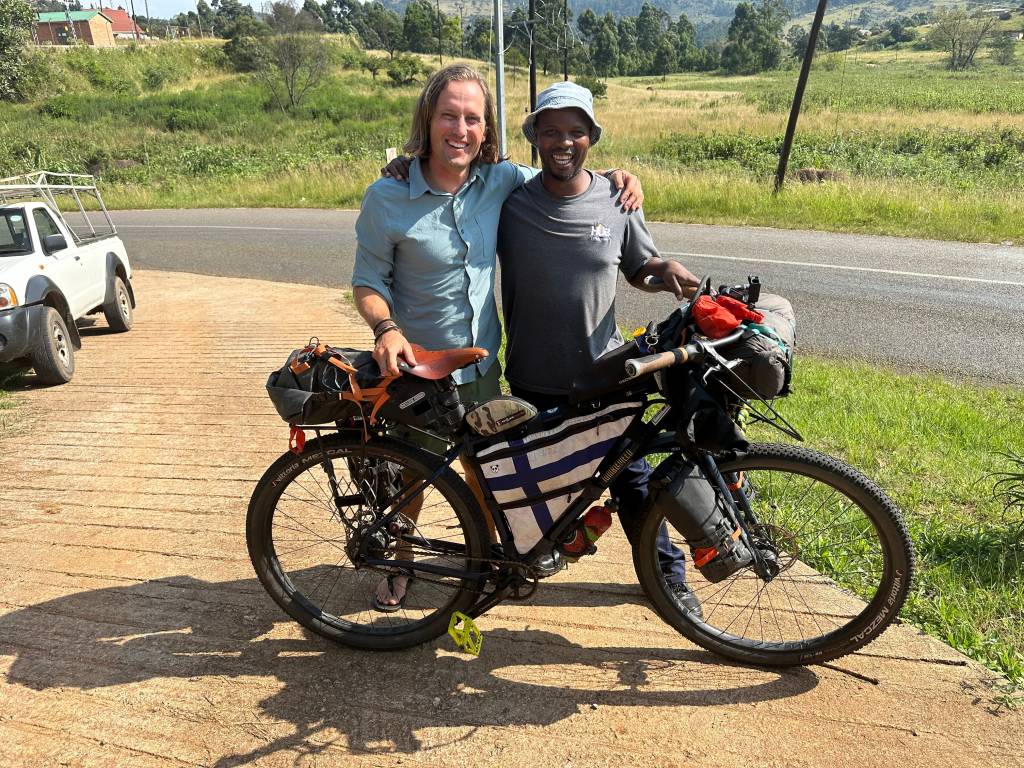
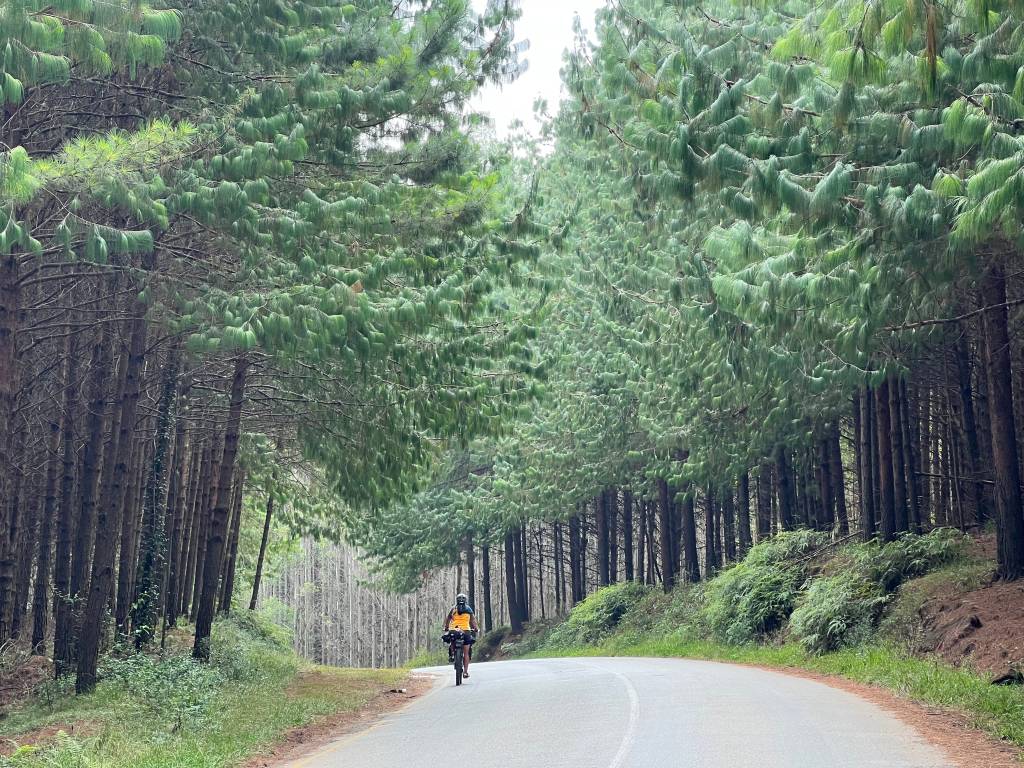
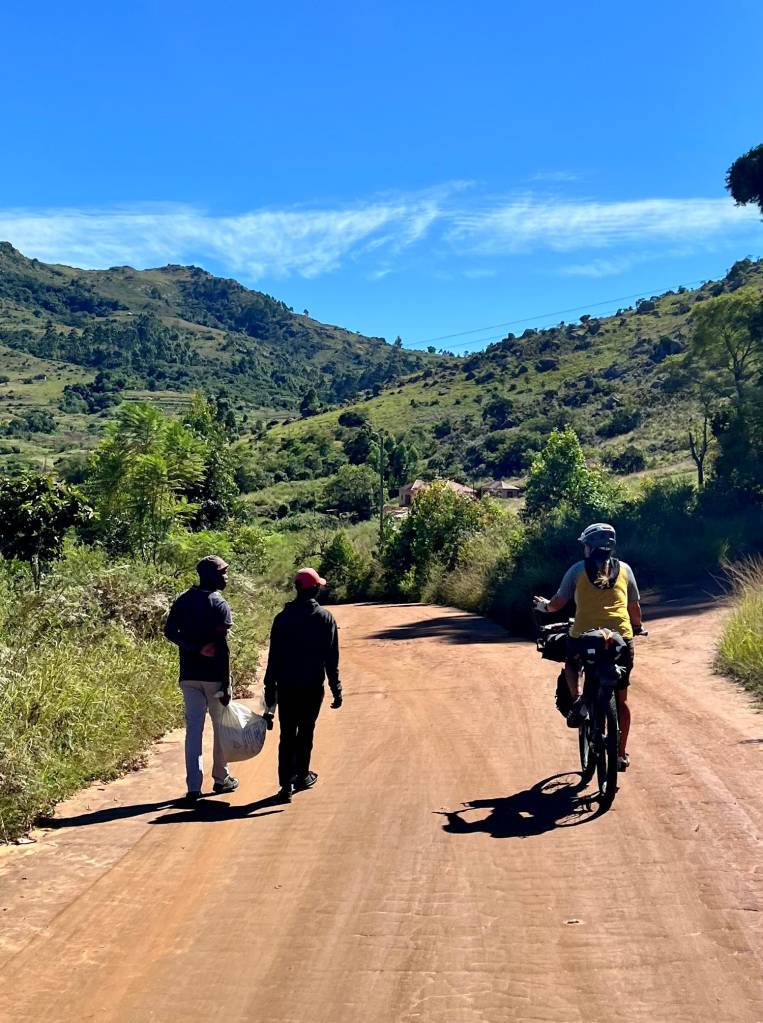
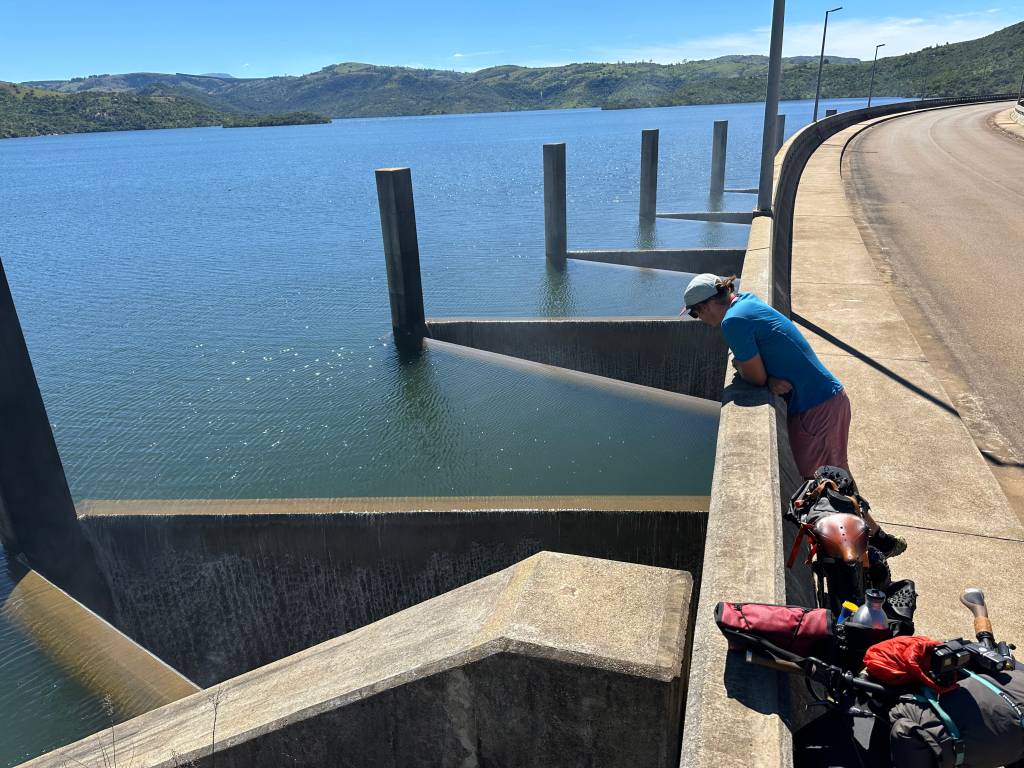
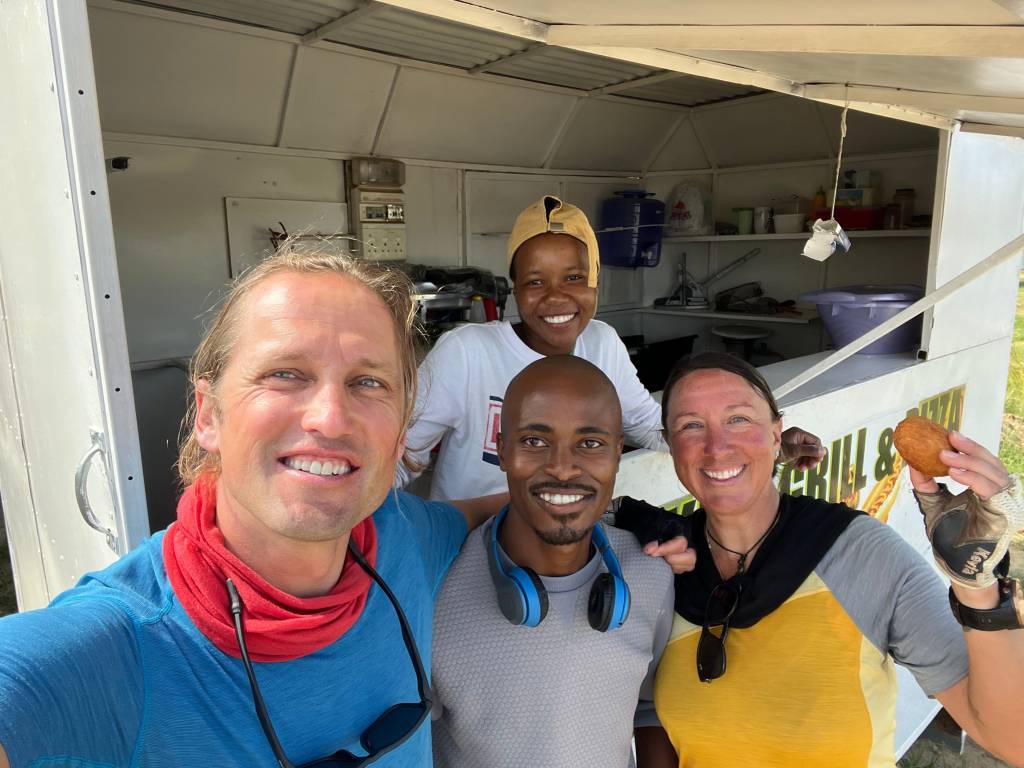
After the Paradise Route, we dropped into the lowlands, past nature and game parks (for sport hunting) and spotted zebras, impala, eland and dung beetles. We spent time in the towns of Tzaneen, Morebeng, Louis Trichardt and Musina. The manager of the Crawdaddys Restaurant in Tzaneen made us dinner and we camped with a kind family managing a farm in Morebeng. We stayed with an amazing couple in Louis Trichardt and were hosted by a girl, Wendy, in Musina. Wendy’s brother cleaned and serviced our bikes while Wendy helped us resupply. She spolied us with food and even made us T-shirts. What we love the most about traveling by bicycle, is meeting people and learning more about the places we travel through. South Africa, Lesotho and Eswatini did not disappoint.
While traveling, I received an email from the publisher of my book, Hawthorne Books, that ‘Joy Ride’ was selected as a Foreword Indies Awards Finalist (out of over 2,400 books)! I am so honoured and grateful to have been nominated.
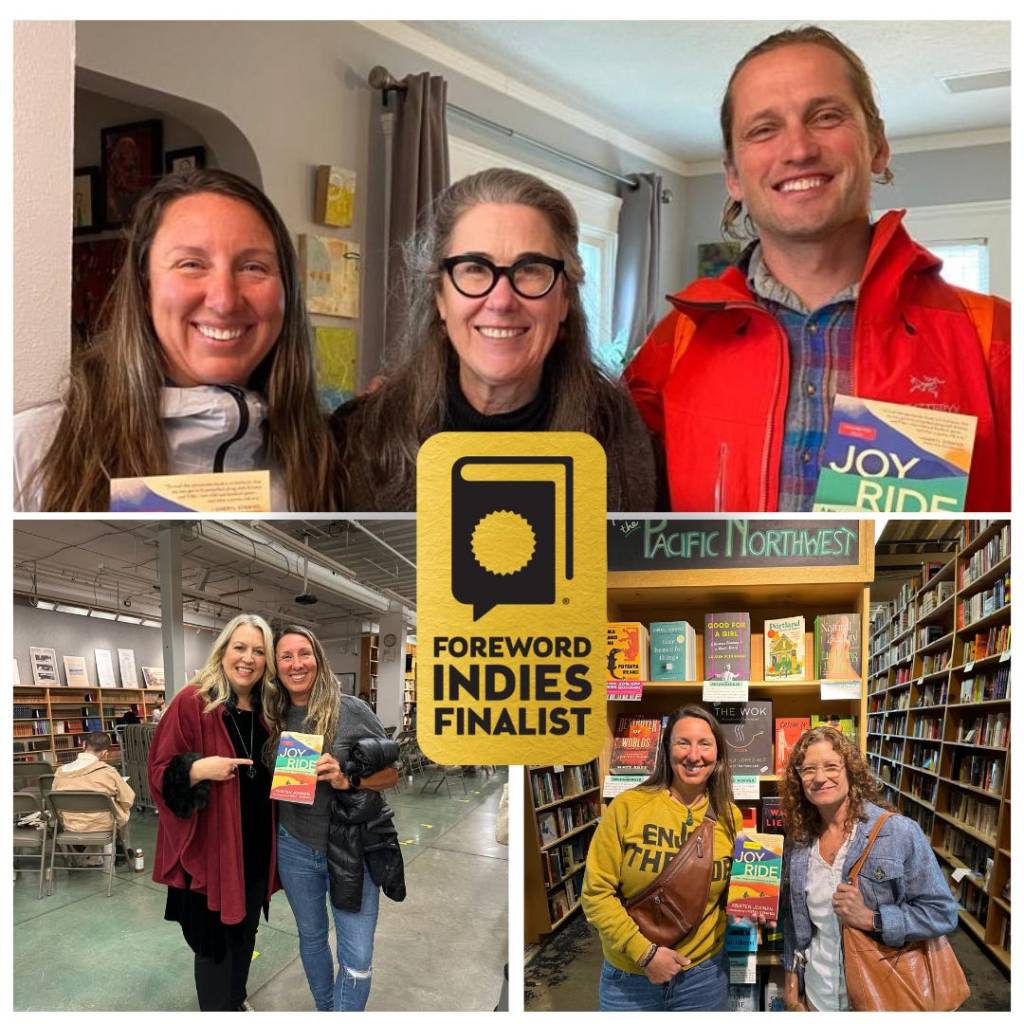
Thank you to everyone who has followed along, hosted us, fed us and shared their time with us. We are so grateful to all of you for being a part of our journey. Want more? Subscribe. And follow us on socials. If you haven’t already, please leave a review for ‘Joy Ride’ online. Keep an eye out for the next instalment of Bikepacking in Africa, coming soon. Until next time, keep on keepin’ on…


Leave a comment